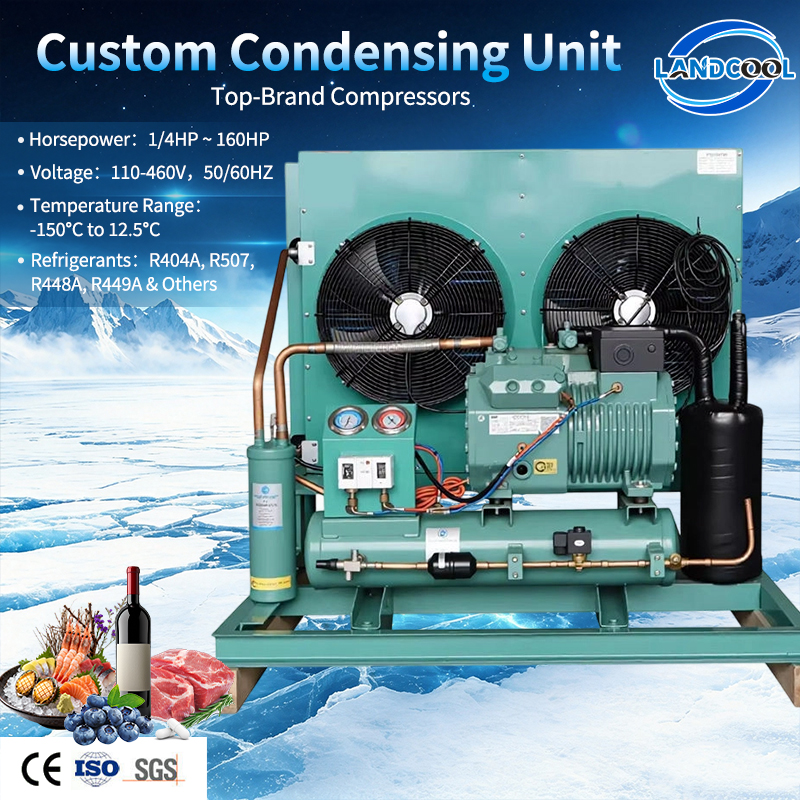
Why Your Condensing Unit Isn't Cooling Fast Enough (and How to Fix It)
1. Check the Coils for Dirt and Debris
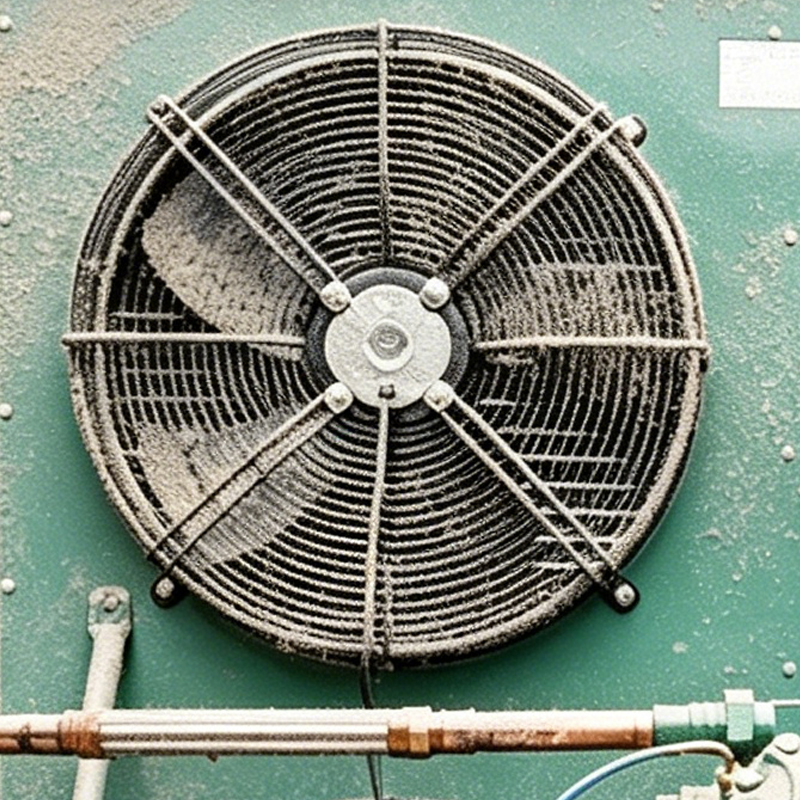
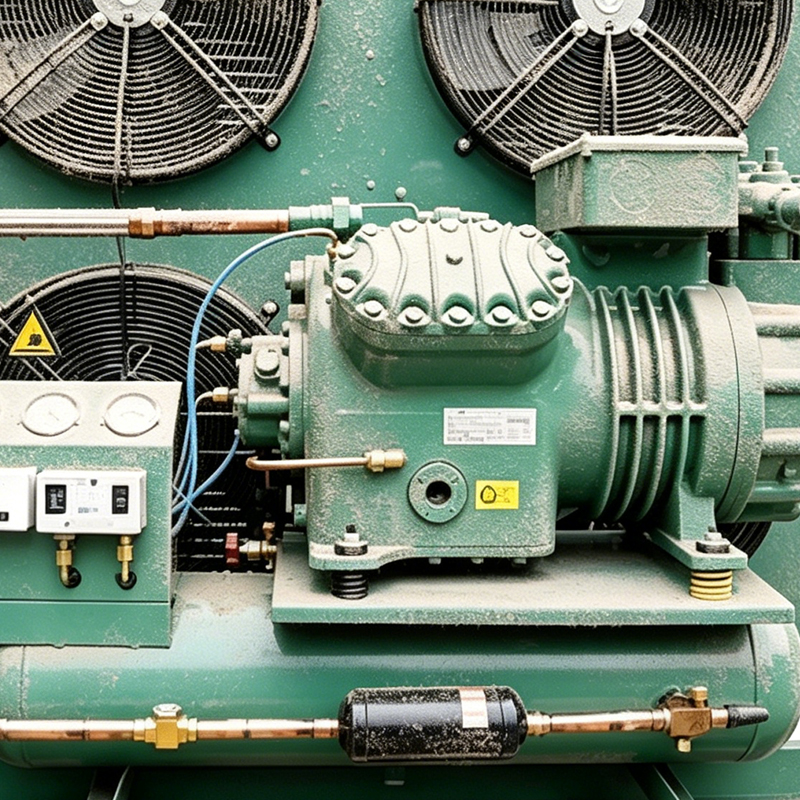
The first place to look is the condenser coils. Dust, debris, grime, and other airborne contaminants can build up on the coil surface and hinder heat exchange, significantly slowing down cooling performance. When airflow is restricted, the unit has to work harder and longer to remove heat, which increases energy consumption and can shorten equipment life. Regular cleaning keeps airflow open and restores efficiency. Depending on the operating environment, coils may need more frequent cleaning—especially in dusty, humid, or high-traffic commercial locations.
2. Confirm the Unit Has Enough Power for the Load
Second, insufficient unit power can cause inadequate cooling. If you have expanded your space, added more display cases, increased product volume, or raised your cooling needs, your existing unit may not be powerful enough to handle the load. A mismatched condensing unit will run continuously without reaching the target temperature, leading to slow cooling, higher electricity use, and greater wear on components. Reviewing the unit’s capacity against the actual cooling load is an important step in diagnosing persistent slow-cooling problems.
3. Consider the Age and Efficiency of the Compressor
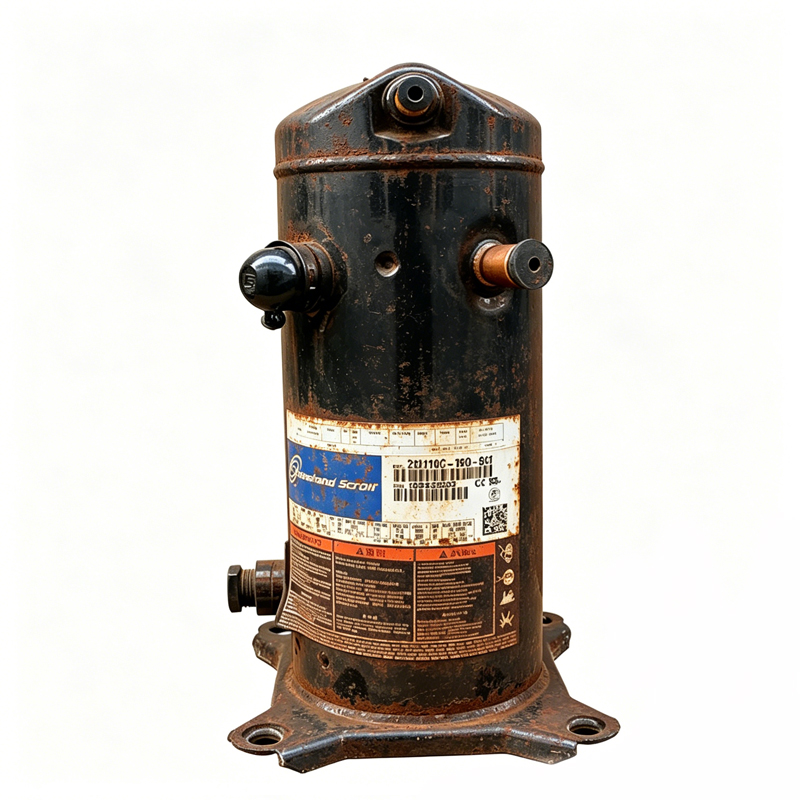
An old compressor is another common culprit. Old, inefficient compressors lack the power needed for fast cooling and often consume more energy while delivering less reliable performance. As compressors age, internal wear and reduced efficiency can make it harder for the system to recover temperature after doors are opened, products are loaded, or ambient conditions change. The solution is to upgrade to a condensing unit equipped with an advanced inverter compressor. An inverter compressor adjusts its speed according to demand, cooling faster when needed while saving up to 35% on energy compared with less efficient fixed-speed operation.
4. Choose a Unit Designed for Fast, Consistent Cooling
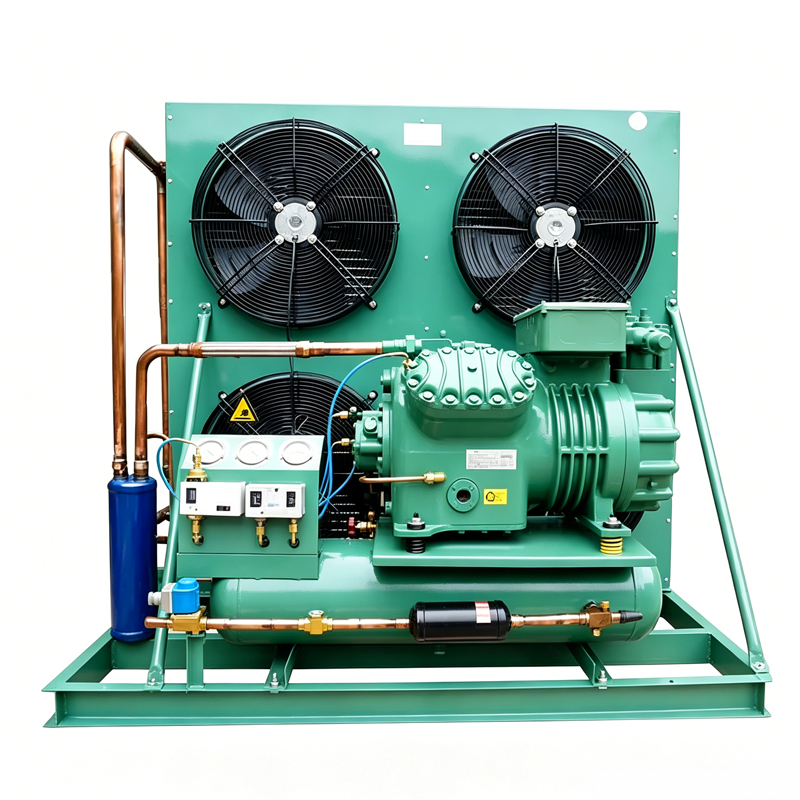
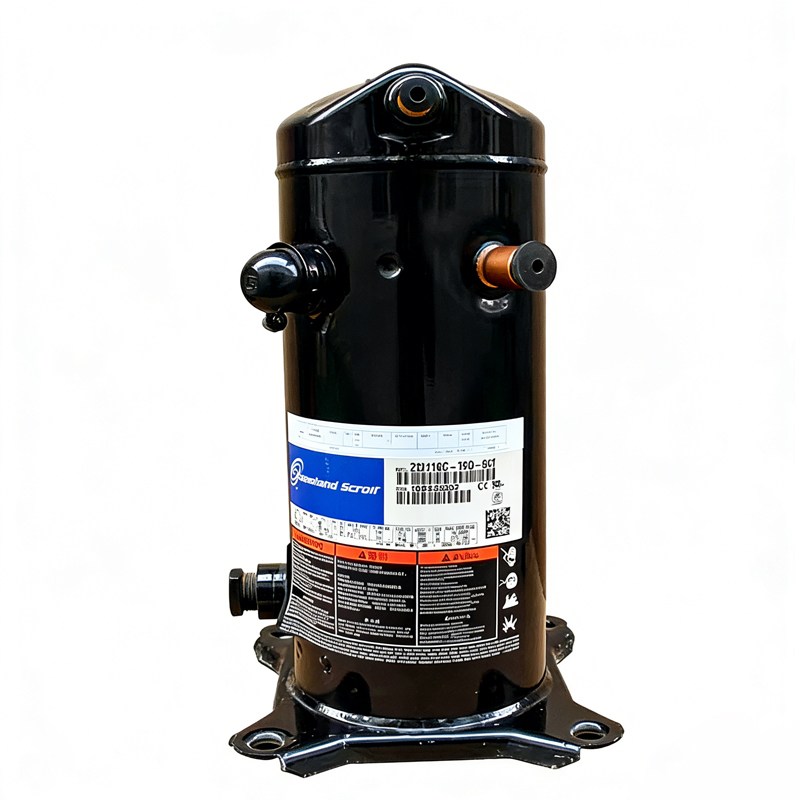
Landcool’s high-efficiency condensing units are designed for fast, consistent cooling. With a precise temperature sensor and a powerful, energy-efficient compressor, the unit quickly reaches and maintains the target temperature—no waiting required—helping ensure product safety and reducing the risk of temperature-related spoilage. The corrosion-resistant design supports long-term stable operation, helping prevent recurring cooling delays and reducing maintenance concerns in demanding commercial environments.
Preventive Maintenance Makes a Difference
Before replacing equipment, regular maintenance can solve many common slow-cooling problems. Keep coils clean, check for airflow restrictions, inspect fans and moving parts, verify refrigerant charge and fluid quality, and confirm that the unit is correctly matched to the current cooling load. These steps help maintain heat exchange efficiency and reduce unnecessary energy consumption. However, if the unit is old, undersized, or repeatedly struggling to reach temperature, upgrading to a modern high-efficiency condensing unit may be the more cost-effective long-term solution.

Condensing Units for Cold Storage: Keep Your Products Fresh & Costs Low
Embraco LDC1/3FLVEE Compressor Unit: Compact Power for Light Commercial Cooling Excellence