How to Maintain Your Condenser: A Practical Guide
Why Bother with Maintenance? The Benefits of Regular Maintenance
Your Practical Maintenance Checklist
Ready to get started? Here is a simple and easy-to-understand checklist for your reference. Remember, safety first! Always turn off the system power before performing any checks.
1. Keep It Clean
This is the golden rule. For air-cooled condensers, gently clean the fins and coils every few months to remove dust, leaves, or grime. You can use a soft brush or low-pressure compressed air. Be careful not to bend or damage the fins, as damaged fins can reduce airflow and heat transfer efficiency. For water-cooled condensers, check the pipes for scale or deposits, which act like plaque in an artery, restricting flow and reducing efficiency. If scale buildup is significant, use an appropriate descaling method and flush the system thoroughly.
2. Check the Fan and Motor
Listen for unusual noises and ensure the fan blades are intact and running smoothly. A wobbly or damaged fan will not function properly and can reduce airflow, causing the system to overheat. Check for loose fasteners, vibration, and signs of bearing wear. If the fan motor requires lubrication, follow the manufacturer’s recommendations and use the specified lubricant.
3. Ensure Proper Airflow
Ensure the area around the condenser is unobstructed. Avoid placing boxes, equipment, or other objects nearby. Good airflow is like injecting fresh air into your system. Adequate clearance allows heat to dissipate efficiently and helps the condenser maintain stable performance. If the unit is installed indoors, confirm that ventilation openings are clear and that the space meets the manufacturer’s airflow requirements.
4. Monitor Refrigerant Levels
While this should be done by a professional, knowing if the refrigerant level is too low is crucial. If your system is not cooling well, it could be a sign of a leak or another problem. Low refrigerant can reduce cooling capacity, increase energy consumption, and damage the compressor if left unaddressed. Do not attempt to top up refrigerant without identifying and repairing the underlying cause.

When should you get professional involved?
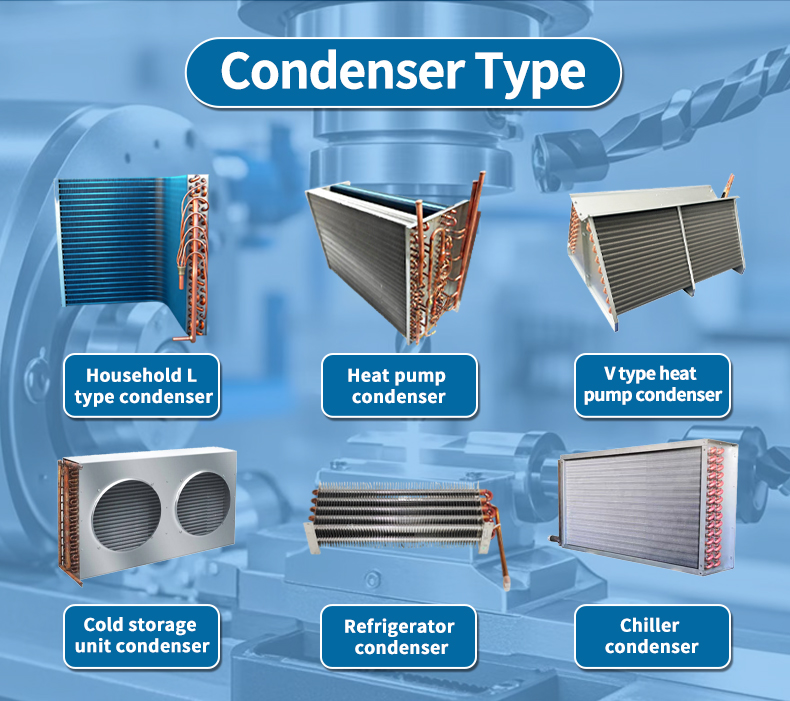
We recommend scheduling a professional inspection at least once a year. Certified technicians can perform thorough cleaning, check refrigerant pressure, test electrical components, and detect small problems before they escalate into costly failures. At Guangzhou Landa, our deep industry knowledge tells us that proactive, professional maintenance is key to maximizing the performance of any condenser, whether it's a rugged industrial L-type condenser or a precision air conditioning heat pump.
summary
Condenser Material Selection: Stainless Steel, Carbon Steel, and Alloys Compared
What are the application scenarios for condensers? Exploring common applications
Related Article