How much does a condensing chiller unit cost?
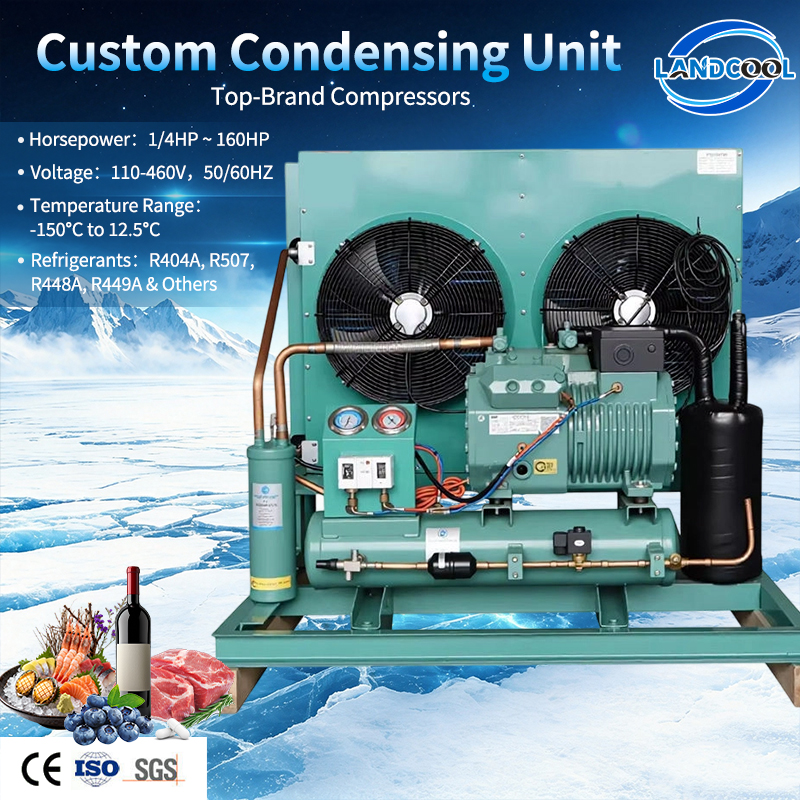
If you want to know the exact price, let's be honest: there's no single answer. Asking "how much?" is like asking the price of a car—the price largely depends on whether you need a small car or a heavy-duty truck. With over a decade of experience in refrigeration, supplying units from leading brands like Embraco, Danfoss, Copeland, and Tecumseh, we can guide customers through understanding the factors that truly determine the price.
Price Drivers? Key Factors Explained
Your final investment depends on three core elements:
1. Capacity and Application
Small units for baking display cases are significantly cheaper than powerful systems for large cold storage units. The required cooling capacity (in horsepower or BTU) is the primary price driver. A unit designed for a small convenience store refrigerator will naturally cost less than one built to maintain sub-zero temperatures in a large distribution warehouse. When evaluating capacity, consider not only the physical size of your space but also the temperature range required, the amount of product stored, door-opening frequency, and ambient conditions. These factors all affect the load the condensing unit must handle.
2. Core Technology and Brand
The choice of compressor brand (e.g., efficient Embraco, rugged Copeland) and features like inverter technology significantly impact cost. You can think of it as the engine of the system. A proven, high-efficiency compressor from a reputable brand may cost more upfront, but it often delivers better reliability and lower operating costs over time. Inverter technology, for example, allows the compressor to adjust its speed to match cooling demand, reducing energy waste and improving temperature stability. Different brands also offer different strengths—some excel in energy efficiency, others in durability or serviceability—so the right choice depends on your specific priorities.
3. Configuration and Quality
Standard model or custom solution? Higher quality components and control systems enhance value and extend lifespan, thus impacting the initial price. A standard configuration may suit straightforward applications, while custom solutions—such as specific voltage requirements, unique piping layouts, or specialized control systems—require additional engineering and manufacturing effort. Corrosion-resistant materials, advanced controllers, and precision-matched components all contribute to a higher upfront price but can reduce maintenance costs and downtime over the life of the equipment.
Beyond the Price Tag: Total Cost of Ownership
Savvy buyers focus on the Total Cost of Ownership (TCO), not just the initial purchase price. Investing slightly more in a high-quality, energy-efficient unit from a trusted brand can save thousands of dollars in electricity bills and reduce downtime over its lifespan. The cheapest units often end up being the most expensive due to maintenance costs and inefficiencies.


Your Value Partner: LANCOOL Advantage
Meet the Maneurop LDNT28 Condensing Unit: Your Reliable 2.3HP Powerhouse for Precision Cooling
Embraco Condensing Units: Reliable Performance for Your Business